A1 Daly City Locksmiths Service Team
Local locksmith team
Aug 18, 2026 12 min read
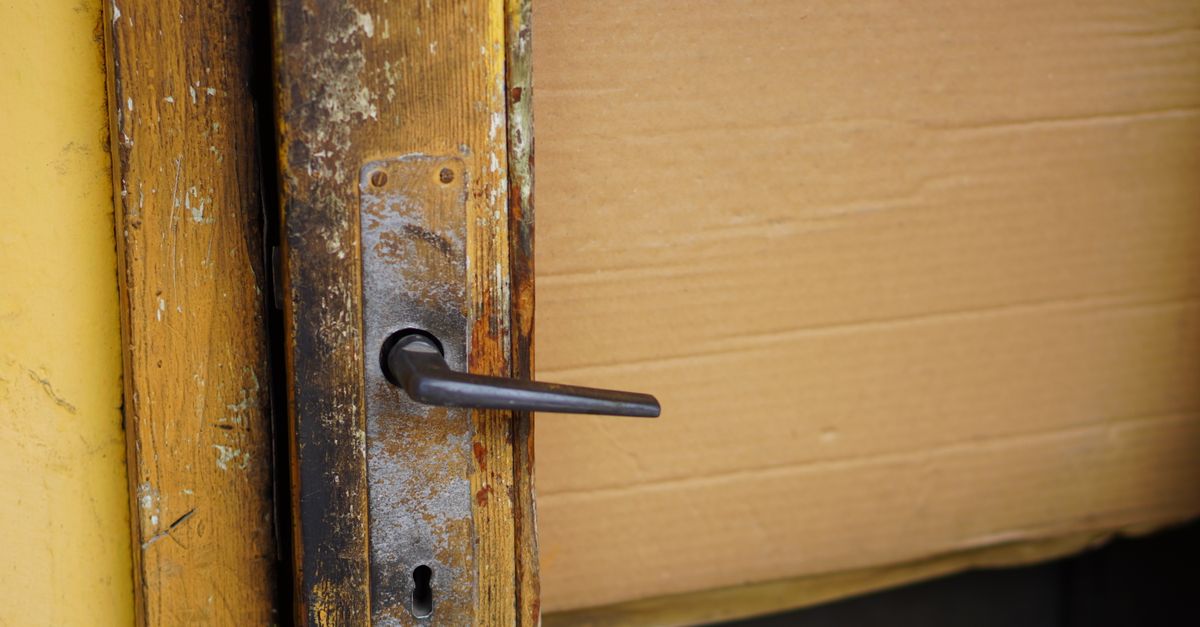
If you live in the Broadmoor neighborhood of Daly City, you already know the fog. It rolls in off the Pacific most mornings, hangs low over the hills along Junipero Serra Boulevard, and leaves everything — your car, your patio furniture, your mailbox — coated in a thin film of cool, salty moisture. What you might not realize is that the same fog is quietly working on the mechanisms inside your door knob lock, your deadbolt, and any mortise lock hardware you have installed. Over months and years, that damp, salt-laden air triggers corrosion inside the cylinder, stiffens the springs, and causes the latch to drag or bind every time you try to turn the knob.
This is not a minor annoyance. A sticky or stiff knob lock is a security risk and a convenience problem waiting to get worse — and in a neighborhood where many homes sit on fog-facing lots with older hardware, it's one of the most common service calls our team handles. This guide walks you through exactly what the coastal climate is doing to your locks, what you can do about it yourself, and when it's time to call in a professional to rekey, service, or replace the hardware entirely.
## How Broadmoor's Fog Actually Damages a Door Knob Lock
The mechanism inside a standard door knob with lock and key is made up of small steel and brass components: pins, springs, a plug, and a cam. When airborne salt particles — carried inland from the ocean on fog droplets — settle on exposed metal, they accelerate oxidation. The result is a fine layer of rust and mineral buildup that works its way into the keyway, tightens the pin stacks, and begins to pit the brass plug inside the cylinder. You will feel this first as slight key resistance, then as a gritty turning action, then as a lock that simply refuses to turn without force. Deadbolts suffer a similar fate: the throw mechanism stiffens, the bolt drags against the strike plate, and the whole assembly feels like it is fighting you.
Mortise locks — the rectangular cassette-style hardware common in older Broadmoor homes and in commercial storefronts along the Daly City corridors — are actually more vulnerable in one specific way: their internal case contains a larger number of moving parts, including lever tumblers, a latch bolt, and a deadbolt all in one housing. If moisture infiltrates the case through worn gaskets or a degraded faceplate seal, you can end up with a fully seized unit that no amount of key-turning will fix. Our team handles mortise lock service and replacement regularly throughout the Broadmoor area, and coastal corrosion is almost always a contributing factor in older installations.
## Diagnosing the Problem: Is It Your Door Knob Lock or Something Else?
Before you assume the lock itself is the issue, rule out the door frame. Daly City's marine climate also causes wood door frames to swell — particularly in homes on the western-facing slopes — and a swollen frame can make a perfectly healthy latch feel stuck. Test this by opening the door fully and working the knob lock mechanism in the open position. If the latch moves freely with the door open but binds when the door is closed, the problem is likely the frame alignment or a misaligned strike plate, not the lock internals. A simple strike plate adjustment or a light plane on the frame edge may be all that is needed.
If the mechanism feels stiff or gritty regardless of door position — if the key itself is hard to insert, turns with resistance, or gets temporarily stuck — the issue is almost certainly internal corrosion or debris accumulation. You may also notice the key leaving a faint reddish or grey residue on your fingers after use, which is oxidized metal being scraped off the pin chambers. At this stage, you are looking at either a professional lubrication and cleaning service or, if the corrosion is advanced, a cylinder replacement or full rekeying. If you are unsure which path makes sense for your hardware, call (650) 977-2027 and one of our experienced technicians can assess the lock on-site.
## DIY Maintenance: What Homeowners Can Safely Do to a Knob Lock
There are several things you can do yourself to slow down fog-related corrosion and extend the life of your door knob lock. First, lubrication: use a dry graphite lubricant or a PTFE-based spray — not WD-40, which is a solvent and water displacer that will temporarily improve action but ultimately attracts dust and accelerates internal wear. Insert the applicator straw directly into the keyway, apply a small amount, then insert your key and work it in and out a dozen times to distribute the lubricant through the pin chambers. Do this every three to four months if you are in a high-fog zone like the western Broadmoor slopes.
Second, protect the exterior hardware. A wipe-down of exposed knob and deadbolt surfaces with a dry microfiber cloth after particularly heavy fog mornings removes salt deposits before they can work into seams. For mortise lock faceplates and exposed escutcheon plates on older doors, a thin coat of paste wax applied to the metal surface creates a temporary barrier against moisture. Third, inspect your door sweep and weatherstripping — a proper seal at the door bottom significantly reduces the amount of humid air that reaches the interior side of the lock mechanism. These are small habits that pay real dividends over the life of your hardware. That said, lubrication and surface cleaning will not reverse corrosion that has already taken hold inside the cylinder. If your key is already stiff or your latch is already dragging, internal service by a qualified locksmith is the right next step.
## When to Rekey, Repair, or Fully Replace Your Lock Hardware
There is a decision tree that our technicians work through on every door hardware call, and it comes down to three questions: Is the cylinder still mechanically sound? Has there been a security event (lost key, change of tenants, recent move)? And is the overall hardware — the knob, the latch assembly, the mortise lock case — still structurally intact? If the cylinder is corroded but the housing is fine, a rekey is often the most efficient solution. Knowing how to rekey a lock means a trained technician removes the plug, replaces the driver and key pins to match a new key, and reinstalls the cylinder — no new hardware needed, and your door is back to full security in minutes. We carry a wide selection of pin kits for Schlage, Kwikset, and other major hardware brands and can rekey most residential cylinders on the spot.
If the corrosion has spread beyond the cylinder into the body of the lock — or if the knob lock housing is cracked, the latch is bent, or a mortise lock case has seized entirely — replacement is the more cost-effective path. Hardware that has been structurally compromised by moisture will fail again quickly even after servicing. For homeowners who want to take the opportunity to upgrade, we can install higher-security cylinders, keypad door locks (and if you already have one, we can walk you through how to change the code on a keypad door lock or reset it to a new sequence), or heavy-duty mortise lock hardware that is better sealed against coastal conditions. Pricing on any service depends on the lock type, the hardware selected, the time of day, and your location — we confirm an exact up-front quote before any work begins, no surprises.
## Emergency Locksmith Services and Commercial Hardware in the Broadmoor Area
Sometimes a corroded lock does not give you warning signs — it just fails. A key snaps inside a seized cylinder on a Sunday night, or a mortise lock case gives out entirely and the door will not latch. These are exactly the situations where a 24/7 emergency locksmith makes the difference between a resolved problem and a security nightmare. Our mobile team operates around the clock throughout Daly City and the Broadmoor neighborhood, which means we can be at your door whether it is 2 PM or 2 AM, with the tools and hardware to handle residential lockouts, broken cylinders, and emergency lock replacements on the spot.
For business owners — whether you operate a storefront, a rental property, or a mixed-use building — our commercial locksmith services extend well beyond a simple knob lock swap. We install and service mortise lock systems, panic hardware, keypad access control systems, and high-security master key suites. Commercial hardware in coastal Daly City faces the same fog-driven corrosion challenges as residential doors, often with higher stakes: a seized front door lock at a business is lost revenue and a liability concern. We also handle post-break-in emergency board-ups, rekeying after tenant turnover, and access audits for properties with multiple entry points. If your business or rental property needs a hardware review, call (650) 977-2027 — we answer every call, 24 hours a day, 7 days a week.
## 25 Locksmith Services We Provide for Broadmoor and Daly City
Our mobile team handles a wide range of residential, commercial, and automotive needs throughout the area. Here is a specific look at what we offer: residential door knob lock installation and replacement; mortise lock repair and full cassette replacement; deadbolt installation and upgrade to high-security cylinders; rekeying of existing residential and commercial cylinders; master key system design and installation for multi-unit properties; keypad door lock installation and code programming; broken key extraction from keyway or ignition; key duplication for standard, high-security, and restricted keyways; lock-out response for homes, apartments, and rental units; commercial storefront lock service and panic bar installation; access control system installation for small businesses; garage door lock and side-entry door hardware service; sliding glass door and patio lock repair; mailbox and gate lock service; safe opening and combination change service; automotive lockout response for cars, trucks, and vans; transponder and laser-cut car key cutting and programming; ignition cylinder repair and replacement; high-security mortise lock installation for commercial tenants; tenant move-out rekeying for landlords and property managers; post-break-in emergency lock replacement; door frame reinforcement and strike plate upgrade; lock hardware inspection and maintenance for coastal corrosion; window lock and secondary security device installation; and 24/7 emergency locksmith dispatch throughout Broadmoor and greater Daly City.
Frequently asked questions
Why does my door knob lock get harder to turn in the winter and on foggy mornings?+
The primary culprit in Broadmoor and coastal Daly City is the combination of humidity and airborne salt. On foggy mornings, moisture penetrates the keyway and settles on the internal pin stacks, temporarily swelling corrosion deposits and causing the mechanism to tighten. In colder temperatures, any lubricant remaining in the cylinder becomes more viscous, adding to the resistance. If you notice the stiffness improving as the morning warms up and the fog lifts, that is a sign corrosion is present but not yet severe — regular lubrication with a dry graphite product will help. If the stiffness is consistent regardless of weather or time of day, the corrosion is more advanced and the cylinder should be serviced or replaced by a trained technician.
How do I know whether to rekey my lock or replace it entirely?+
Rekeying makes sense when the cylinder is mechanically sound and you simply need to change which key operates the lock — after moving into a new home, losing a key, or changing tenants. Knowing how to rekey a lock means a technician replaces the internal pin configuration to match a new key without changing the hardware itself. Replacement is the right call when the cylinder or lock body shows visible corrosion damage, the key is difficult to insert or turn even after lubrication, the latch or bolt mechanism is physically bent or worn, or the lock has been tampered with. If you are unsure, our technicians can assess the hardware on-site and give you an honest recommendation. The final price depends on the type of lock, any parts needed, your location, and time of day — and we confirm the exact figure before starting any work.
Can a fogged-up or corroded mortise lock be saved, or does it always need replacement?+
It depends on how far the corrosion has progressed. A mortise lock with early-stage corrosion — surface oxidation on the faceplate and slight stiffness in the bolt throw — can often be cleaned, lubricated, and restored to reliable operation. However, if moisture has entered the lock case and caused internal components like the lever tumblers or latch spring to rust or deform, replacement of the full cassette is almost always more practical than attempting a repair. Partial repairs on a severely corroded mortise lock tend to fail again quickly, especially in a coastal environment where the root cause (damp salt air) is constant. Our technicians carry replacement cassettes for common mortise lock configurations and can swap the hardware in a single visit.
What should I do if my key breaks off inside a door knob lock or a car ignition?+
Do not try to pull or dig the broken piece out with metal tools like a screwdriver or knife blade — this almost always pushes the fragment deeper into the cylinder or damages the pin chambers, making extraction significantly harder. If the break happened flush with or slightly inside the keyway, stop and call a professional immediately. Our team carries extraction tools designed for broken key removal from both door hardware and automotive ignitions, and in most cases the key can be removed without damaging the cylinder. If the cylinder is already corroded — which is often why keys snap in coastal Daly City homes — we will advise you honestly on whether extraction plus rekeying or a full cylinder replacement is the better long-term solution. Call (650) 977-2027 any time, day or night.